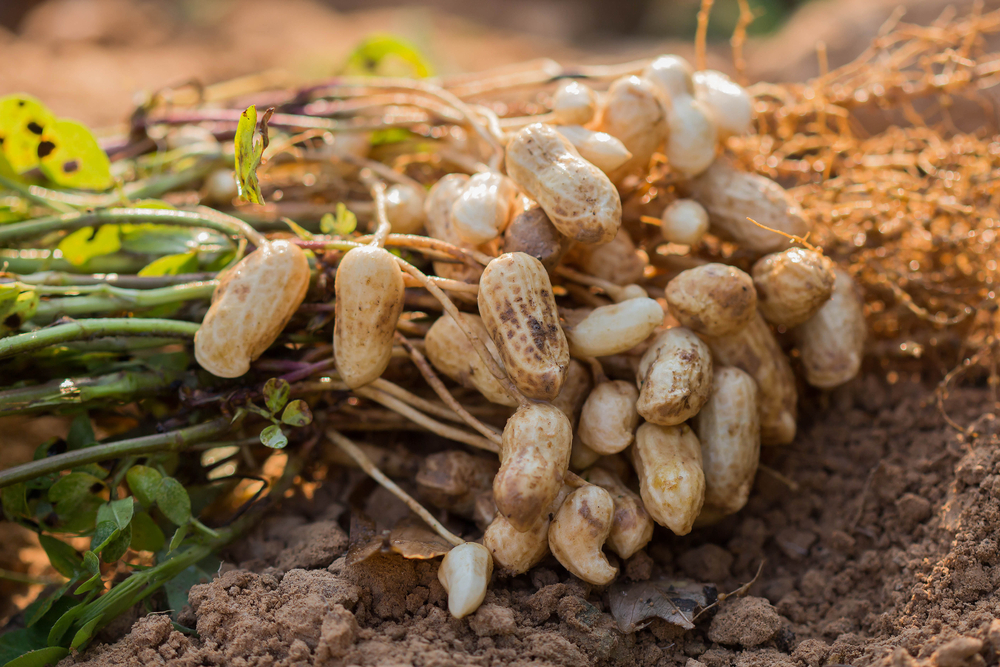
Eating a handful of peanuts daily is good, especially in cold weather. But what happens when you eat too many peanuts? Although peanuts are actually one of the easiest, cheapest and best sources of protein, they can trigger some health problems if consumed in excess. In this post, we will see what are the side effects of eating too much peanuts.
Weight loss Problem

If you are trying to lose weight, you should definitely check your peanut consumption in a day to manage any health condition. Soaked peanuts help in weight loss while having a handful of peanuts can lead to high calorie deposits in the body. There are about 567 calories in every 100 grams of peanuts.
Digestive Problems
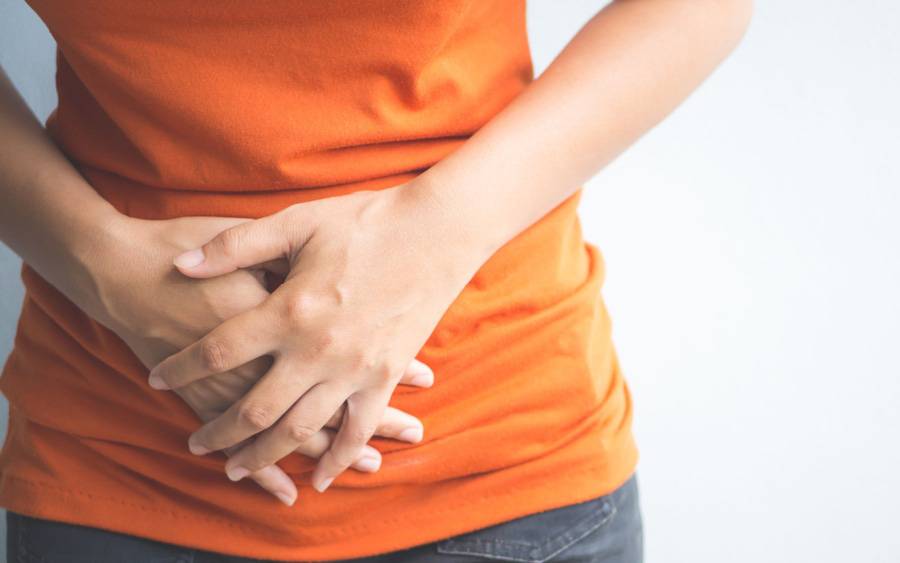
People who are already struggling with digestive problems should not eat peanuts without doctor's approval. Being high in protein, consuming a handful of peanuts a day can cause digestive problems and stomach discomfort. Constipation, diarrhoea and bloating are common problems identified in people with digestive problems.
Skin Problems

People with oily face and acne prone skin should reduce their intake of peanuts. These pulses are high in calories and fat, so consuming too much can cause pain in your face and back.
Peanut Allergy

Skin rashes, facial swelling, runny nose, tingling in the throat and mouth, and shortness of breath are some of the symptoms identified in peanut allergy sufferers. It is important to monitor your body throughout the day if you have any unusual symptoms on peanuts.
High blood Pressure
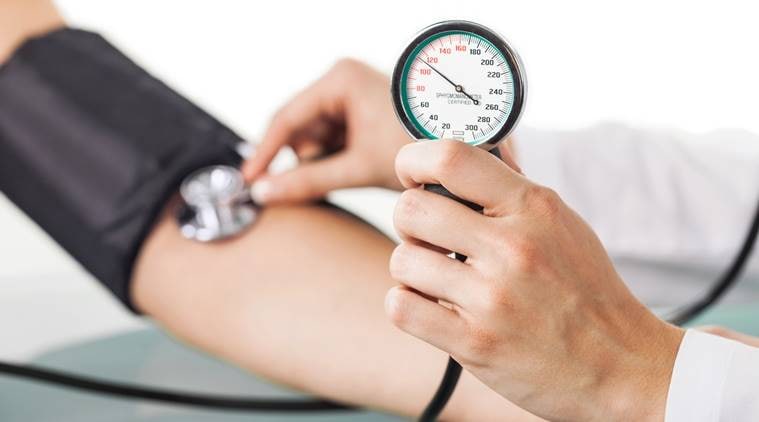
While peanuts are naturally low in sodium, eating salted peanuts at home may lower blood pressure. Too much sodium can draw water and fluids into your bloodstream, causing high blood pressure. So, choose low-sodium or unsalted peanuts before eating.
Inhibits nutrient Absorption

Despite their contribution to your overall health, peanuts may inhibit mineral absorption in your body. The physic acid in peanuts inhibits the absorption of iron, zinc, calcium and magnesium. Over time, hyphenates can contribute to mineral deficiencies, irritation in the intestinal tract, and allergies.


0 comments:
Post a Comment